"We spend a lot of time at work, and there should be room for joy and curiosity, not just copy-pasting between tools that don't talk to each other.
Sometimes those tools need a training to be helpful."
Through Good Operations, I help agencies, museums, schools, nonprofits and small businesses build and tame digital systems — without unnecessary complexity.
Twenty years across product, education, and cultural projects have taught me one thing: understand the shape of the problem before touching the tools.
When a project calls for extra hands, I bring in trusted specialists from the Good Operations network.
Who I work with:


Case studies
Turning Articles into Social Media Carousels
Full-Cycle Delivery
Task: Help content teams promote themselves more often by reusing the content they already have.
Result: The tool turns an article into a ready set of cards to post in Instagram Crousel in several minutes, so existing pages can be shared again and again in different angles and without extra writing time.

Content Block System for Museum Storytelling
Solution Designer
Task: Design a content system that helps museum staff turn raw archival materials into publishable stories — without editorial skills or dedicated staff.
Result: A content block system integrated into the platform's CMS: museum staff assemble stories from existing materials, reuse the same content across formats, and visitors navigate connected artefacts, people, and stories across the site.

Optimising internal HR processes
Solution Designer
Task: Select and implement HR software to automate employee data acquisition and reports for C-Level management.
Result: I streamlined internal processes and optimized data accuracy by 80%, reducing reporting time from three weeks to 10 minutes and saving five months of software costs through the implementation of high-impact interim solutions and rigorous stakeholder requirement mapping.
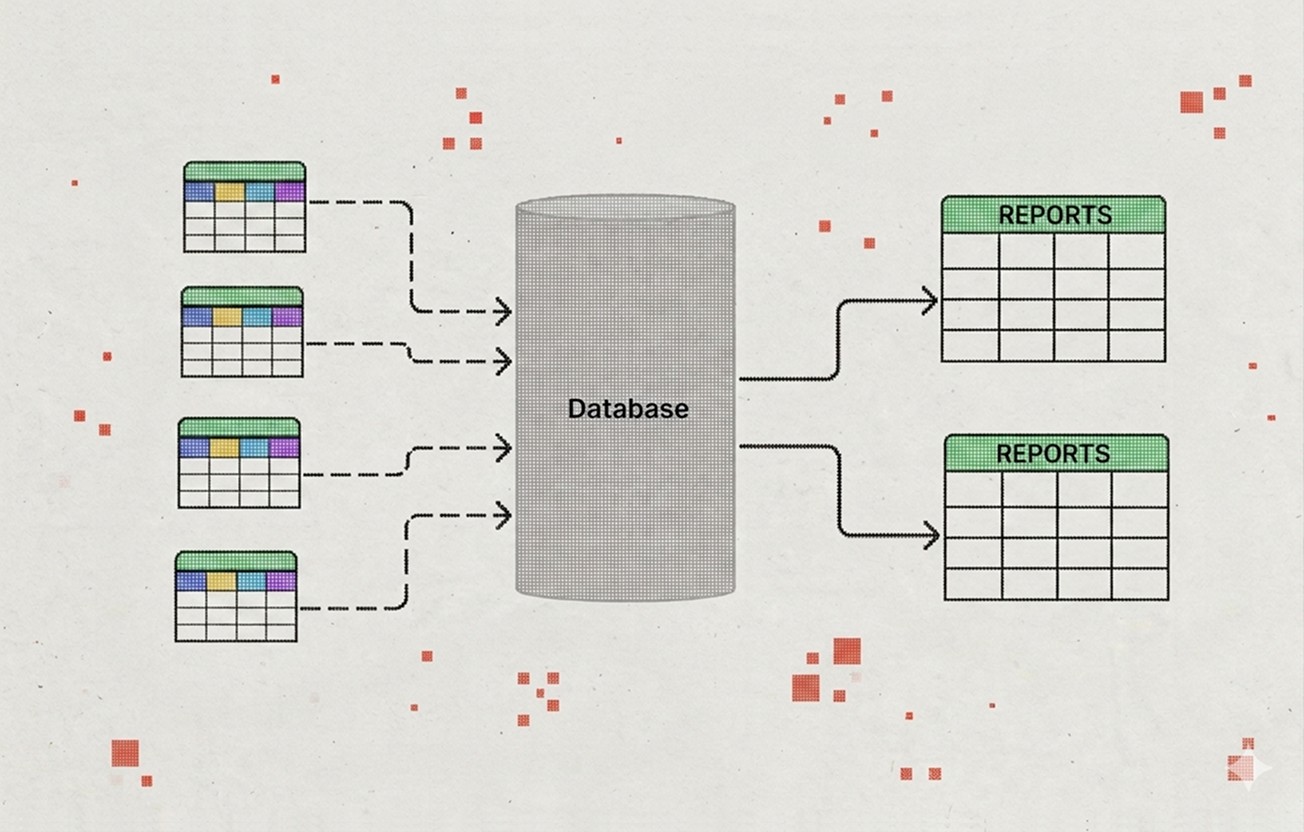
Automating Images and Video Analysis with AI
Automation Engineer
Task: Automate the visual reading of ad creatives with an LLM, to improve research quality and reduce time spent on it.
Result: During active research cycles, the workflow saves around 10 hours of manual work — and produces more consistent data than reviewed by hand.